

David Whitcombe, Chief Market Strategist at LINK FOREX, analyzes the structural shift in the US stock market.
Published December 30, 2025
London, United Kingdom - Recent market movements show a clear divergence in performance among different stocks, reflecting that capital allocation efficiency, balance sheet discipline, and potential catalysts are becoming key factors influencing stock price performance in the current environment.
Market Background: Increased Differentiation, Technical Structure Dominates Short- to Medium-Term Performance
 David Whitcombe points out that in the current cycle phase, the market as a whole has shown clear "late-cycle" characteristics:
 Medium-term moving averages (such as the 50-day moving average) become important watersheds.
Once prices break below these levels and fail to recover effectively, it often triggers algorithmic and institutional selling.
The increased trading volume during the decline indicates that risk aversion originates from the institutional level.
Medium-term moving averages (such as the 50-day moving average) become important watersheds.
Once prices break below these levels and fail to recover effectively, it often triggers algorithmic and institutional selling.
The increased trading volume during the decline indicates that risk aversion originates from the institutional level.
 RSI, MAC
Oscillation time is shortening, and trends are more persistent after formation, but the duration is shorter.
RSI, MAC
Oscillation time is shortening, and trends are more persistent after formation, but the duration is shorter.
David Whitcombe points out that in the current cycle phase, the market as a whole has shown clear "late-cycle" characteristics:
- Liquidity is no longer unidirectionally driving asset prices upward.
- Investors' risk appetite is becoming more rational.
- Funds are paying more attention to price structure, return cycle, and capital efficiency.
- After key technical levels are breached, systemic selling pressure rapidly amplifies.
Medium-term moving averages (such as the 50-day moving average) become important watersheds.
Once prices break below these levels and fail to recover effectively, it often triggers algorithmic and institutional selling.
The increased trading volume during the decline indicates that risk aversion originates from the institutional level.
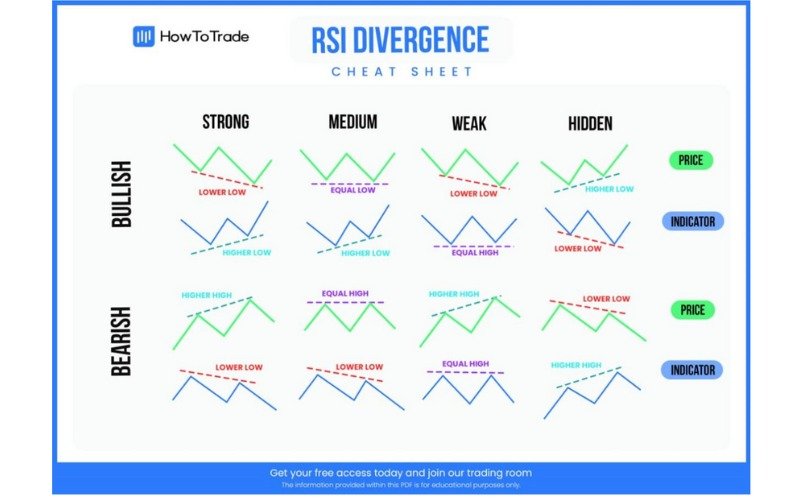
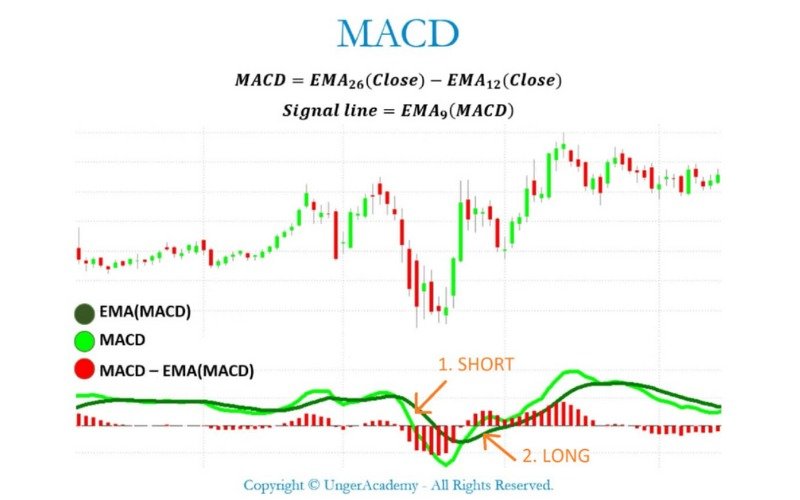
- Momentum indicators become important tools for trend confirmation.
RSI, MAC
Oscillation time is shortening, and trends are more persistent after formation, but the duration is shorter.
- Volume-weighted price becomes the core for judging medium-term trends.
- Valuation is at a historical low.
- Cash flow structure is relatively stable.
- There are potential expectations of corporate governance, capital operations, or strategic adjustments.
- Breaking through a long-term downtrend line.
- Rapidly recovering multiple medium-term moving averages with increased volume.
- Short covering and event expectations resonate.
- The dominance of index trading is declining.
- Capital discipline is being actively priced in.
- Technology.
- A rising volatility center
- Shorter trend durations
- Excess returns are more dependent on entry timing, technical confirmation, and risk management