

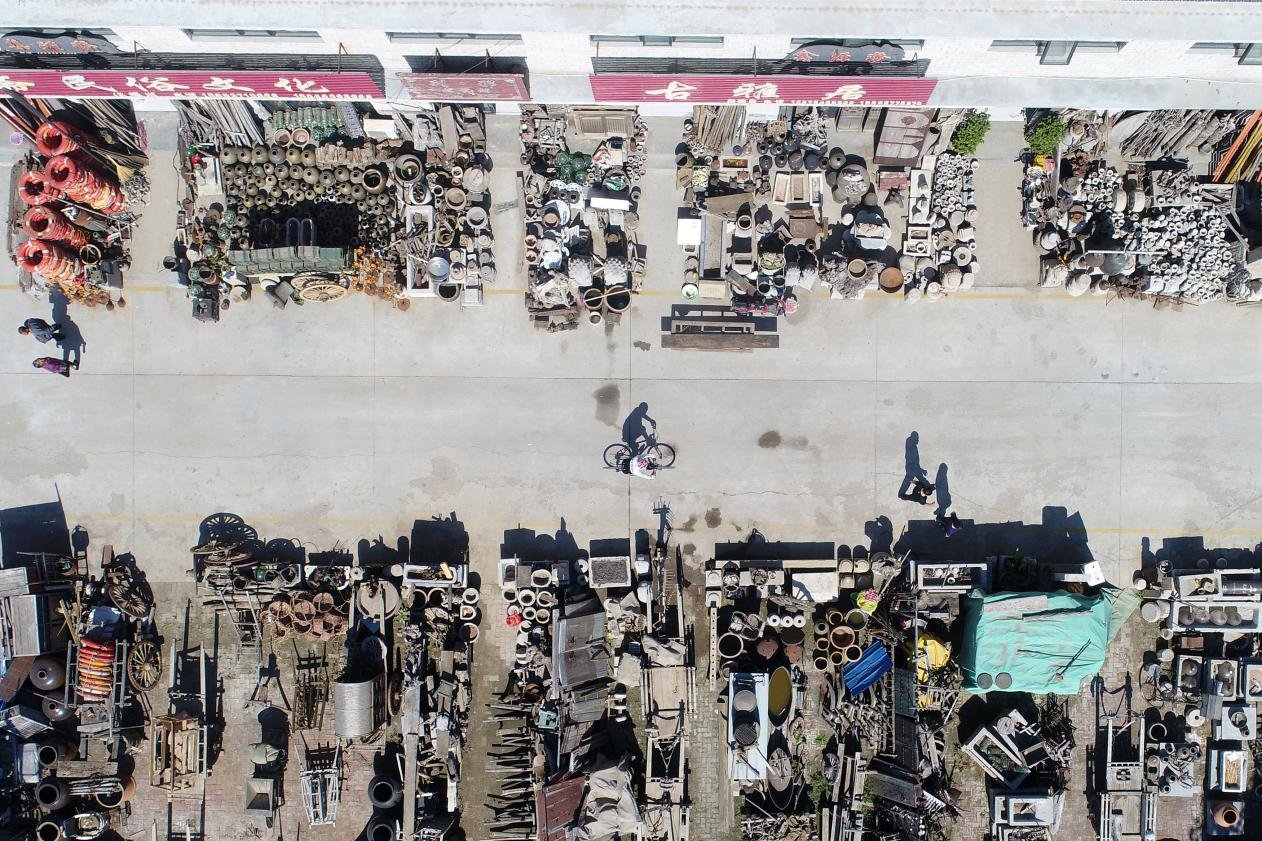
From Scattered Street Stalls to a Grand Cultural Marketplace
Walking into the Folk Culture Industrial Park feels like entering an open-air folk museum. In addition to elegant Ming- and Qing-style mahogany furniture, visitors can also find traditional folk objects filled with memories of rural life.
In the early years, Shui Luopo’s business was known as “business on wheels,” with traders traveling from place to place collecting old furniture and reselling it nationwide. As competition intensified, the town realized that simply selling “old goods” could only sustain a small marketplace. To create a true cultural destination, it needed to uncover the deeper cultural value behind these items.
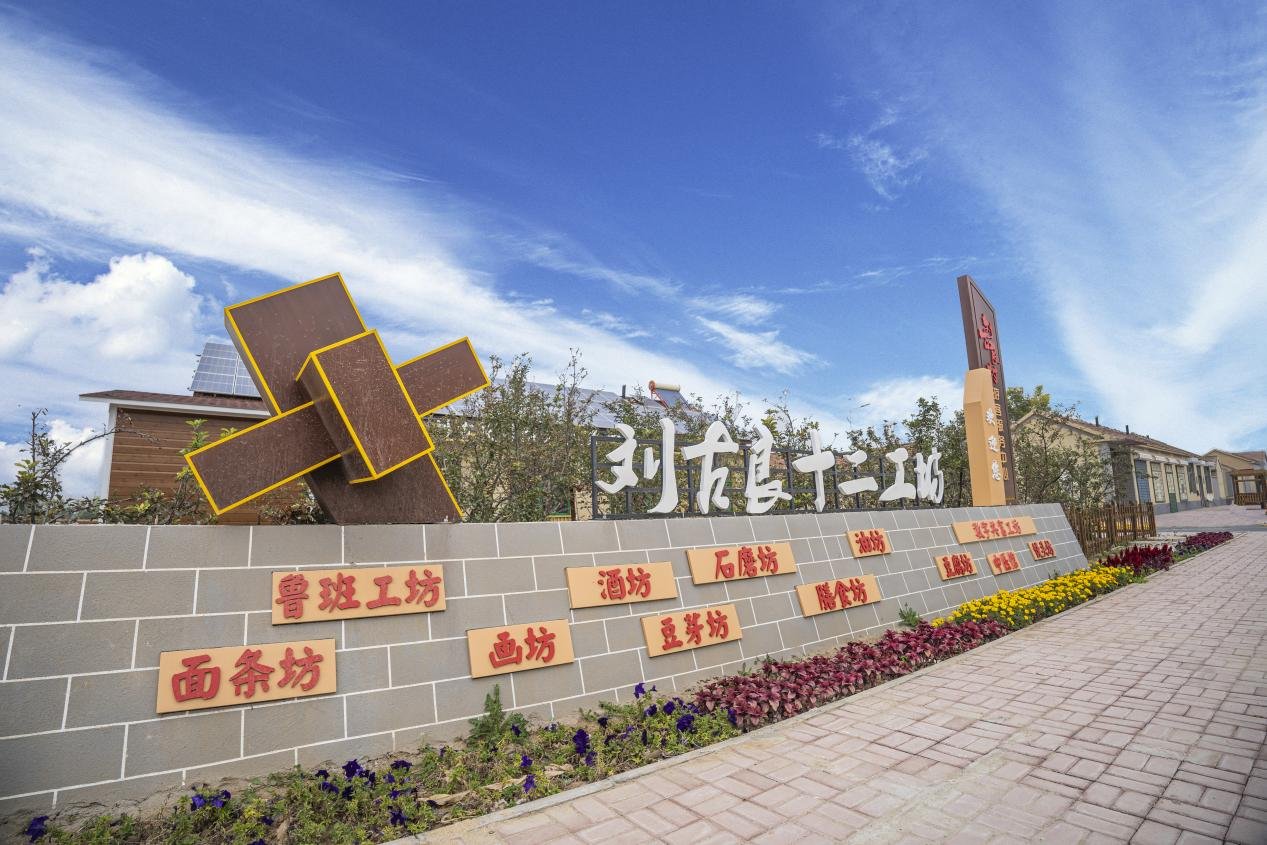
To achieve this, Shui Luopo Town carefully planned and developed the Folk Culture Industrial Park, guiding the industry from the traditional model of “collecting, repairing, and selling” toward cultural exhibitions, educational experiences, and high-end customization. In 2026, the project was successfully recognized as a key provincial cultural and tourism initiative, driving comprehensive infrastructure upgrades in Liuguliang Folk Village. In Liuguliang Village, the “Twelve Workshops” allow visitors to experience traditional crafts such as stone milling and tofu making firsthand, while “mini folk museums” transform villagers’ old courtyards into living museums. The village now sells not only furniture, but also authentic “northern Shandong lifestyle experiences,” preserving cultural heritage by creating “new works with the charm of the old.”
Sixteen Years of Dedication Build a Cultural Landmark
“Go to Shui Luopo, visit the market, and see the old treasures!” has become an annual tradition for many visitors.
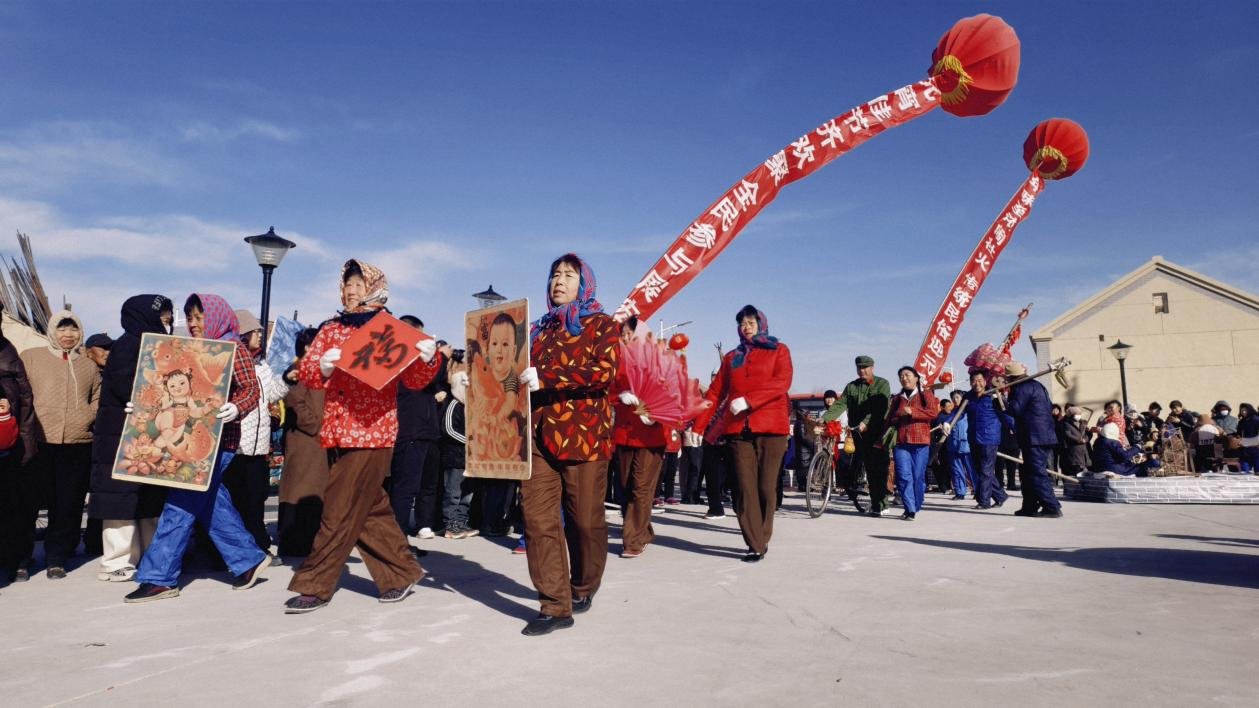
The Yellow River Delta Folk Culture Festival held every April and the Classical Furniture Expo held every October have become Shui Luopo’s signature cultural brands. What began as a simple trading fair has evolved into the 16th Yellow River Delta Folk Culture Festival this spring, now a large-scale celebration integrating culture, tourism, commerce, and interactive experiences.
During this year’s festival, the industrial park echoed with drum performances and traditional Yangko dances, while the “Era Show” featuring vintage costumes immersed visitors in scenes from the 1970s and 1980s. The event attracted tens of thousands of online and offline viewers.
Festivals provide visibility, but industry remains the foundation. By using “festivals to drive the economy,” Shui Luopo introduced livestreaming sales during the events, successfully converting offline popularity into online revenue and overcoming the geographical limitations of traditional sales channels.
Community Participation Brings Rural Vitality
Cultural revitalization is not only about industrial prosperity, but also about enriching people’s lives. Shui Luopo deeply understands this principle and actively organizes colorful community cultural activities to bring culture closer to residents.
Whenever festival nights arrive, bonfires light up the square in Liuguliang Village as community-themed performances begin. Villagers perform in locally organized talent competitions such as “Shui Luopo Superstars,” transforming ordinary farmers into stage performers. These activities are not designed to be extravagant, but to stay connected to everyday rural life, greatly strengthening villagers’ cultural confidence and sense of belonging.
Sports events have also brought new momentum to the town. Shui Luopo has hosted major provincial cycling competitions, city-level “Village BA” basketball championships, and folk-themed orienteering races for two consecutive years in Liuguliang Village. Combining sports with folk culture knowledge and landmark exploration, these events allow participants to experience local traditions while competing. This innovative “sports + cultural tourism” model has revitalized idle rural resources and quickly turned Liuguliang Village into a popular tourist destination.
E-Commerce Revitalizes Traditional Craftsmanship
Even the finest products need exposure. To help classical furniture reach broader markets, the town government actively explored a new “Party-building + e-commerce” development model.
To overcome the limitations of traditional sales, Shui Luopo established livestreaming talent incubation centers and cultivated a group of influencer-style hosts. In late-night livestream studios, presenters enthusiastically introduce historically significant traditional chairs and furniture pieces to online audiences. Supported by big data analysis, Shui Luopo’s classical furniture has found new vitality through livestream commerce, with some businesses increasing online sales by more than 40 percent.
This “offline experience, online ordering” model has not only expanded sales channels, but also significantly enhanced Shui Luopo’s brand influence beyond regional boundaries.
From “collecting and reselling old goods” to integrating culture and tourism, and from isolated business operations to shared community participation, Shui Luopo Town has revitalized its folk cultural resources and strengthened industrial development. These traditional “old objects” now preserve rural nostalgia while also generating economic prosperity. Today, Shui Luopo is writing its own remarkable chapter in China’s rural revitalization story. (By Zhou Xiaohang and Song Lina)